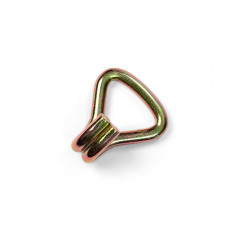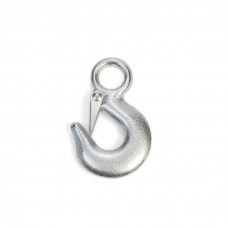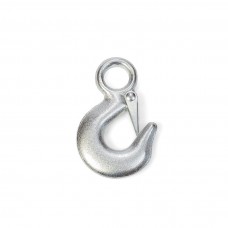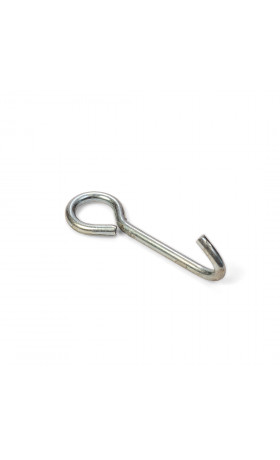
Rigging hook
Rigging Hook: Types and Design Features
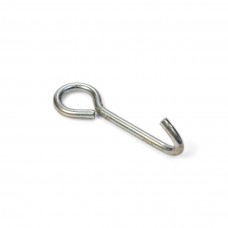
A rigging hook is a key element of lifting equipment used for handling, lifting, and securing heavy loads. It is used in industry, construction, logistics, warehouses, and transport companies. The reliability and correct selection of this accessory directly impacts operational safety and the longevity of the entire lifting system.
Purpose
- Secure load securing. A rigging hook provides a strong grip on slings, ropes, chains, or other elements used in lifting or moving various objects.
- Ensures safe loading and unloading operations. Using high-quality products reduces the risk of accidents by ensuring stable support of heavy objects under high loads.
- Versatility. Rigging hooks are suitable for handling a wide range of loads—from construction materials to industrial equipment—and are used in various mechanisms, including hoists, winches, truck cranes, and slings.
- Ease of Use. The hook shape and design ensure comfortable operation: easy engagement, simple fastening, and minimal setup time.
Materials
- Alloy steel. The most common material. It offers high strength, resistance to tearing and wear, and withstands heavy loads and mechanical stress.
- High-carbon steel. Used for high-strength products. It is characterized by its rigidity and ability to withstand extreme loads.
- Heat-treated steel. Hardening, normalizing, and tempering increase the hook's resistance to deformation and extend its service life.
- Anti-corrosion coatings. Galvanizing, powder coating, or special anti-corrosion compounds protect the metal from rust and extend its service life in high-humidity conditions.
Design Features
- Standard. Used in most lifting operations. They have an open mouth and a robust design designed to withstand heavy loads.
- Hooks with a safety latch. Equipped with an additional locking device to prevent the sling or loop from accidentally slipping during operation. They improve safety when handling loads.
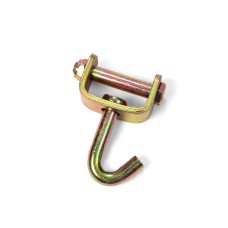
- Swivel. Equipped with a rotating mechanism that allows the hook to rotate freely around its axis. This is convenient when handling loads that may unfold or move unevenly.
- For chain slings. Used in chain systems, they have a reinforced design and are compatible with various link types.
- Wire rope. Designed for wire rope slings, they can have special shapes that ensure secure attachment of the rope without kinking or damage.
In conclusion
A rigging hook, with or without a locking device, is an important element of lifting equipment, directly affecting the safety and efficiency of handling heavy loads. Selecting the right hook based on load, design, and material ensures a long service life and minimizes risks during rigging operations. A wide range of varieties and design solutions makes this tool versatile and in demand across a wide range of industries.